For contractors, every job site brings a different set of challenges. A construction project in Boston may involve different conditions than a remodeling job in Worcester or a roofing project along the Massachusetts coast. From equipment and materials to employees, subcontractors, customers, and members of the public, there can be many moving parts to manage.
That is where Contractors Insurance can become an important part of a contractor’s risk management strategy. The right combination of policies may help address certain property damage, injuries, lawsuits, vehicle-related incidents, and other exposures that can arise during daily operations. For Massachusetts contractors, reviewing these risks with an experienced insurance professional can be a practical step toward building an insurance program suited to the business.

What Risks Can Massachusetts Contractors Face On A Job Site?
Job sites can change quickly, and even well-planned projects can encounter unexpected problems. A visitor could be injured, equipment could be damaged, or building materials could be stolen. A contractor could also face allegations that work caused property damage or failed to meet a contractual obligation.
The nature of the work matters, too. A general contractor may face different exposures than an electrician, plumber, carpenter, landscaper, roofer, or concrete contractor. The size of the company, number of employees, vehicles, equipment, subcontractors, and project locations can also influence insurance needs.
Contractors Insurance may be structured around some of these exposures, but available protection depends on the policies, limits, exclusions, and endorsements selected. A coverage review can help identify areas where the business may have gaps or overlapping protection.
How Can General Liability Insurance Fit Into A Contractor’s Risk Plan?
General liability insurance is often considered when a contractor is evaluating risks involving third-party bodily injury or property damage. For example, a customer or other visitor could potentially be injured at a work location, or construction activity could unintentionally damage someone else’s property.
A contractor may also encounter claims alleging that its operations caused injury or property damage. Depending on the policy, general liability coverage may address certain claims and associated legal expenses, subject to applicable terms and conditions.
For Massachusetts contractors, it can be useful to consider the types of properties and projects involved when reviewing liability needs. A contractor working primarily on residential renovations may have a different risk profile from one performing large commercial construction projects. Choice Insurance can help contractors evaluate these distinctions when considering their insurance options.
Could Tools And Equipment Create Additional Exposure?
Contractors depend on tools, machinery, supplies, and equipment to complete projects efficiently. These items can represent a significant investment, particularly for businesses that own specialized equipment or transport tools between multiple job sites.
Theft is one concern, but equipment can also be damaged by accidents, fire, weather, vandalism, or other events. Contractors may want to consider how their insurance program addresses owned equipment, rented equipment, and property while it is being transported or used away from the primary business location.
Depending on the contractor’s operations and policy structure, coverage may be available for certain equipment-related losses. However, not every policy treats tools, equipment, and materials the same way. Reviewing how property is used, stored, transported, and valued can provide a clearer picture of potential insurance considerations.

Why Should Contractors Review Their Commercial Auto Exposure?
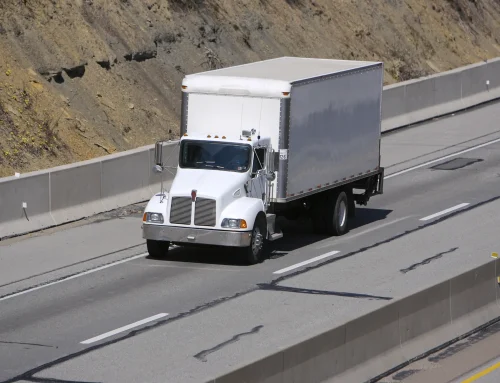
Many Massachusetts contractors spend a significant amount of time on the road. Pickup trucks, vans, trailers, and other vehicles may transport workers, tools, equipment, and materials from one project to another.
An accident involving a business-owned vehicle can create expenses that extend beyond vehicle repairs. There could be injuries, property damage, legal claims, or disruptions to the contractor’s ability to reach job sites.
Commercial auto insurance may be an option for addressing certain vehicle-related exposures. The appropriate policy can depend on how vehicles are owned, who operates them, how they are used, and what they carry. Contractors should also consider whether personal vehicles are ever used for business purposes, since this can create additional questions for an insurance review.
What Role Can Workers’ Compensation Play For Contractors?
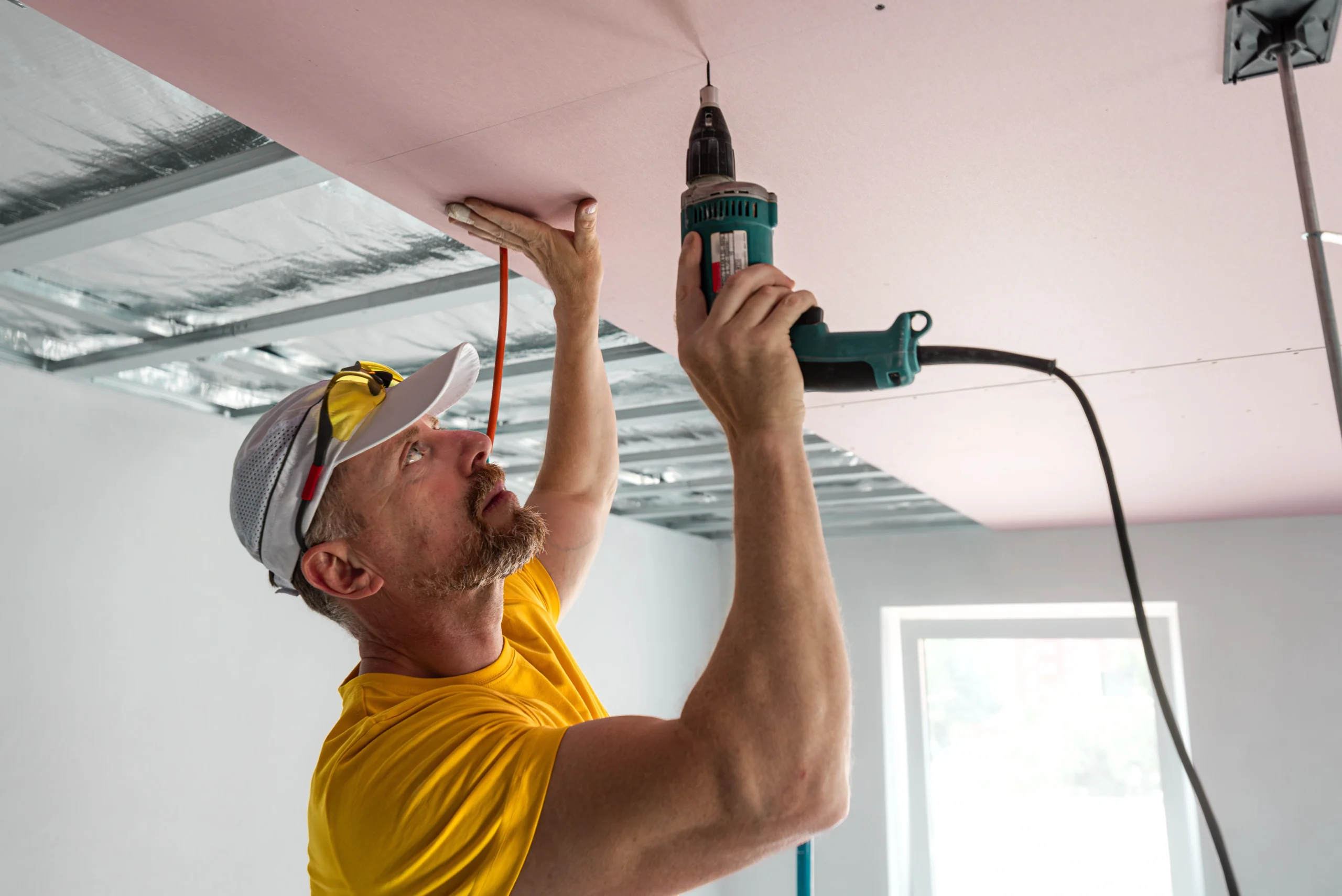
Construction and contracting work can involve physical tasks, ladders, power tools, heavy materials, machinery, and other workplace hazards. Employee injuries can create financial and operational concerns for a business.
Workers’ compensation insurance may be required for eligible Massachusetts employers and can provide certain benefits for covered work-related injuries and illnesses, according to applicable laws and policy terms. Requirements can vary based on business structure and workforce circumstances, so contractors should review their responsibilities carefully.
Beyond meeting requirements, contractors may also benefit from taking a broader look at workplace safety. Employee training, equipment maintenance, job-site procedures, and clear communication can all be important components of a comprehensive risk management approach.
Do Subcontractors Change A Contractor’s Insurance Needs?
Subcontractors are common in many construction projects, but their involvement can introduce additional considerations. A general contractor may hire electricians, plumbers, painters, roofers, or other specialists to perform portions of a project.
Before work begins, contractors may want to review subcontractor agreements and insurance requirements. Some contracts may require specific liability limits, certificates of insurance, or additional insured arrangements. The exact requirements depend on the contract and project.
It is also important to understand that requesting proof of insurance from a subcontractor does not necessarily eliminate every potential exposure. Contractors may wish to discuss their contractual relationships with an insurance professional and legal advisor to better understand how insurance and contract provisions interact.
How Can Massachusetts Contractors Build A More Complete Insurance Strategy?
There is no single Contractors Insurance package that fits every business. A contractor’s needs can depend on the type of work performed, employees, vehicles, equipment, annual revenue, project size, subcontractor relationships, and contractual obligations.
A broader insurance review may consider:
- General liability for certain third-party injury and property damage exposures
- Commercial auto for eligible business vehicles
- Workers’ compensation for covered employee-related risks
- Property coverage for qualifying business property
- Equipment coverage for certain tools and machinery
- Umbrella or excess liability for additional liability limits, when appropriate
The goal is to consider the business as a whole rather than focusing on one policy in isolation. As projects, employees, equipment, and operations change, insurance needs may change as well.
For Massachusetts contractors, working with an agency familiar with local businesses can make the review process more straightforward. Choice Insurance can help contractors examine their current risks and consider insurance options that align with their operations, contracts, and changing business needs.
When job-site risks are part of the business every day, reviewing Contractors Insurance can be a practical step toward preparing for the unexpected. Contact Choice Insurance to discuss coverage options for your Massachusetts contracting business.