
Owning a second home in Massachusetts can offer the perfect getaway for every season. Whether you enjoy summers on Cape Cod, weekends in the Berkshires, or quiet lakeside retreats in Central Massachusetts, a vacation property comes with unique responsibilities. Along with maintaining the property itself, it is important to think about how you may want to protect it from unexpected risks.
Vacation homes often sit vacant for parts of the year, experience seasonal weather changes, and may even be rented to guests from time to time. These factors can create insurance considerations that differ from those of a primary residence. Understanding how Vacation Home Insurance may apply can help Massachusetts property owners make informed decisions about their coverage needs.
At Choice Insurance, we work with Massachusetts homeowners to help them explore insurance options for vacation properties across the state.
Why Does Vacation Home Insurance Matter In Massachusetts?
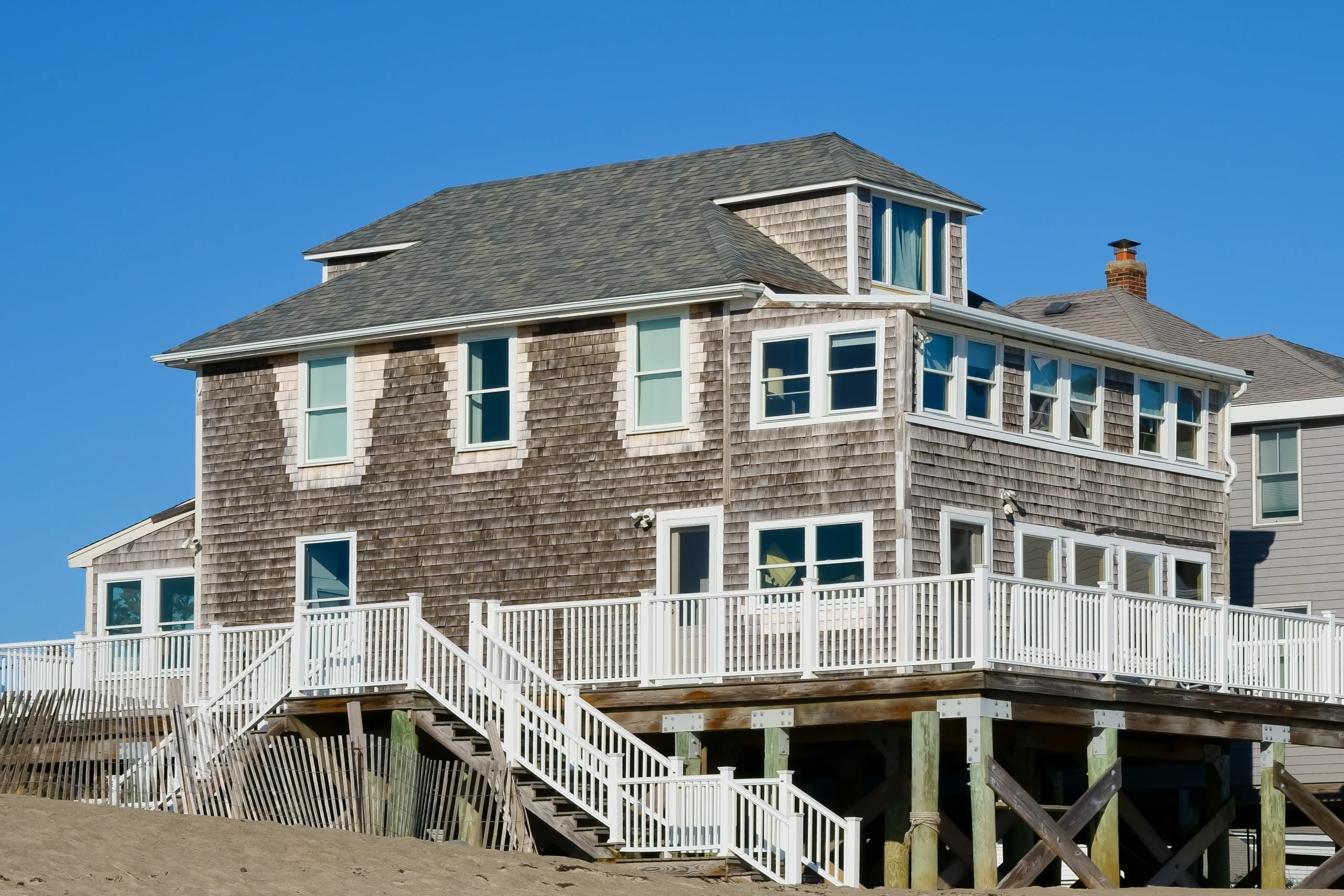
Massachusetts vacation homes can face a wide range of seasonal and regional risks. Coastal properties may encounter wind-driven rain, saltwater exposure, or storm-related concerns, while homes farther inland may experience heavy snow, frozen pipes, or tree damage during winter storms.
Unlike a primary residence that is occupied daily, a vacation home may remain empty for extended periods. When a property is vacant, issues such as leaks, electrical problems, or storm damage might go unnoticed longer than they would in an occupied home.
Vacation Home Insurance may help address some of the unique exposures associated with secondary residences. Policies can vary based on the property’s location, age, occupancy patterns, and intended use. Reviewing your options with a Massachusetts insurance agency may help you better understand what protections could fit your situation.
What Factors Can Affect Vacation Home Insurance Costs?
Several factors may influence the cost of Vacation Home Insurance in Massachusetts. Insurance carriers often evaluate the property’s location, construction details, and how frequently the home is occupied.
Some common considerations may include:
- Distance from the coastline
- Seasonal weather exposure
- Age and condition of the property
- Heating and plumbing systems
- Security features and monitoring systems
- Whether the property is rented to others
- Frequency of owner occupancy
For example, a waterfront cottage on Cape Cod may present different insurance considerations than a ski home in the Berkshires. Homes used primarily during one season may also have different risk profiles than properties occupied year-round.
Because every property is different, working with a local Massachusetts insurance agency like Choice Insurance can help homeowners compare options tailored to their needs.
How Can Massachusetts Weather Impact Vacation Homes?
Massachusetts weather can change dramatically throughout the year, which may create challenges for vacation property owners.
During the winter months, freezing temperatures may increase the risk of frozen pipes or ice damming. Heavy snowfall in Western Massachusetts can place stress on roofs and structures, while coastal storms may bring wind and water-related concerns to shoreline communities.
In the summer, humid conditions and strong coastal storms can also affect certain properties. If a vacation home remains unoccupied during changing weather conditions, damage may take longer to detect.
Property maintenance and regular inspections may help reduce the likelihood of preventable issues. Some homeowners also consider installing smart home monitoring systems that alert them to temperature fluctuations, leaks, or security concerns when they are away.
An insurance review can help identify policy features or endorsements that may be relevant based on your property’s location and seasonal exposures.

Should You Consider Additional Coverage For A Vacation Home?
Standard homeowners policies may not always address every concern associated with a secondary residence. Depending on how the property is used, some homeowners explore additional insurance options or endorsements.
Examples may include:
- Water backup coverage
- Flood insurance
- Windstorm-related coverage
- Equipment breakdown protection
- Umbrella liability coverage
- Short-term rental endorsements
Flooding can be a particular concern for some Massachusetts properties, especially in coastal or low-lying areas. It is important to note that flood-related protection is often handled separately from standard homeowners insurance policies.
Homeowners who rent out their vacation properties, even occasionally, may also want to discuss how guest occupancy could impact their insurance needs.
Since coverage terms and availability vary, it may be helpful to review your property’s risks with an experienced Massachusetts insurance professional.
What Should Owners Know About Renting Out Vacation Homes?
Short-term vacation rentals have become increasingly popular throughout Massachusetts. From Cape Cod beach houses to mountain cabins in the Berkshires, many property owners use rental income to offset ownership expenses.
However, renting a vacation home may change the property’s risk profile from an insurance perspective.
Guest-related liability concerns, accidental property damage, and increased wear and tear are just a few examples of issues owners may want to consider. Some insurance carriers may place limitations on coverage if a property is regularly rented without proper notification.
If you plan to list your home on a vacation rental platform or rent directly to guests, it is important to discuss those plans with your insurance agent. They can help review whether your current Vacation Home Insurance aligns with the way the property is being used.
How Can Owners Help Protect Their Vacation Property Year-Round?
Routine maintenance and proactive planning may help reduce risks associated with seasonal homes in Massachusetts.
Some helpful practices may include:
- Scheduling regular property inspections
- Winterizing plumbing systems before freezing weather
- Installing monitored alarm systems
- Using smart thermostats and leak detectors
- Trimming trees near structures
- Maintaining roofs and gutters
- Creating a storm preparation checklist
If the property will remain vacant for long periods, homeowners may also consider hiring local property managers or neighbors to periodically check on the home.
Taking preventive steps may not only help reduce potential damage but could also support smoother insurance conversations when evaluating your property’s needs.
Why Work With A Massachusetts Insurance Agency For Vacation Home Insurance?
Vacation properties often require a more customized insurance approach than primary residences. Local experience can make a difference when evaluating regional risks across Massachusetts.
At Choice Insurance, we understand the challenges Massachusetts homeowners may face when insuring seasonal and secondary residences. Whether your property is located along the coast, in the mountains, or somewhere in between, our team can help you explore Vacation Home Insurance options designed for your unique situation.
We work with homeowners throughout Massachusetts to review coverage considerations, discuss property usage, and help identify policies that align with their goals.
Ready To Explore Vacation Home Insurance In Massachusetts?
Protecting a vacation property involves more than simply locking the doors when you leave. From changing weather conditions to rental considerations, Massachusetts vacation homes often come with unique insurance needs.
Choice Insurance is here to help Massachusetts property owners navigate their Vacation Home Insurance options with confidence. Contact our team today to learn more about available coverage solutions for your second home.